
Multicultural influences on the Swahili coastline
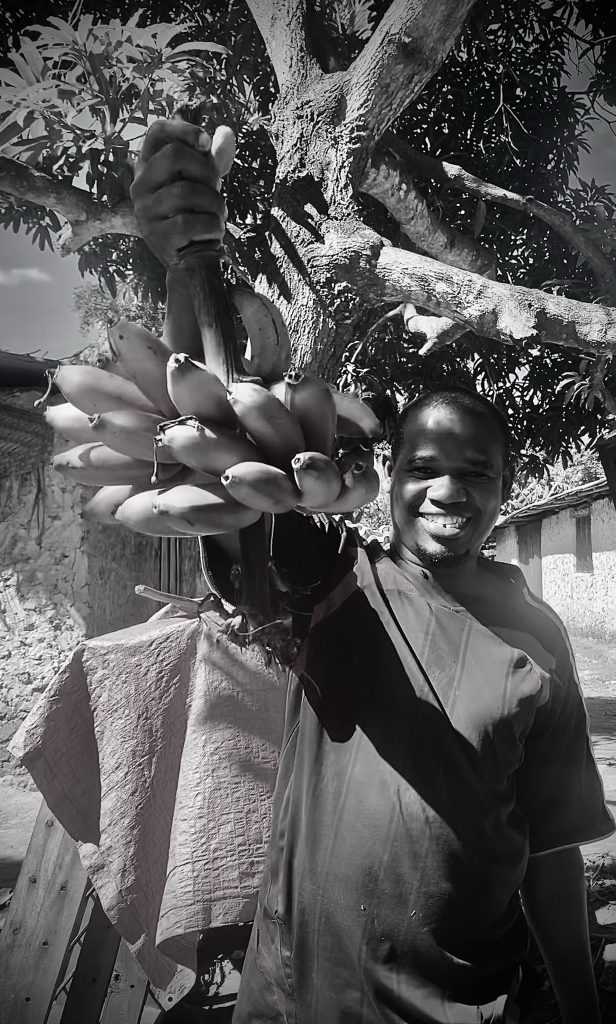
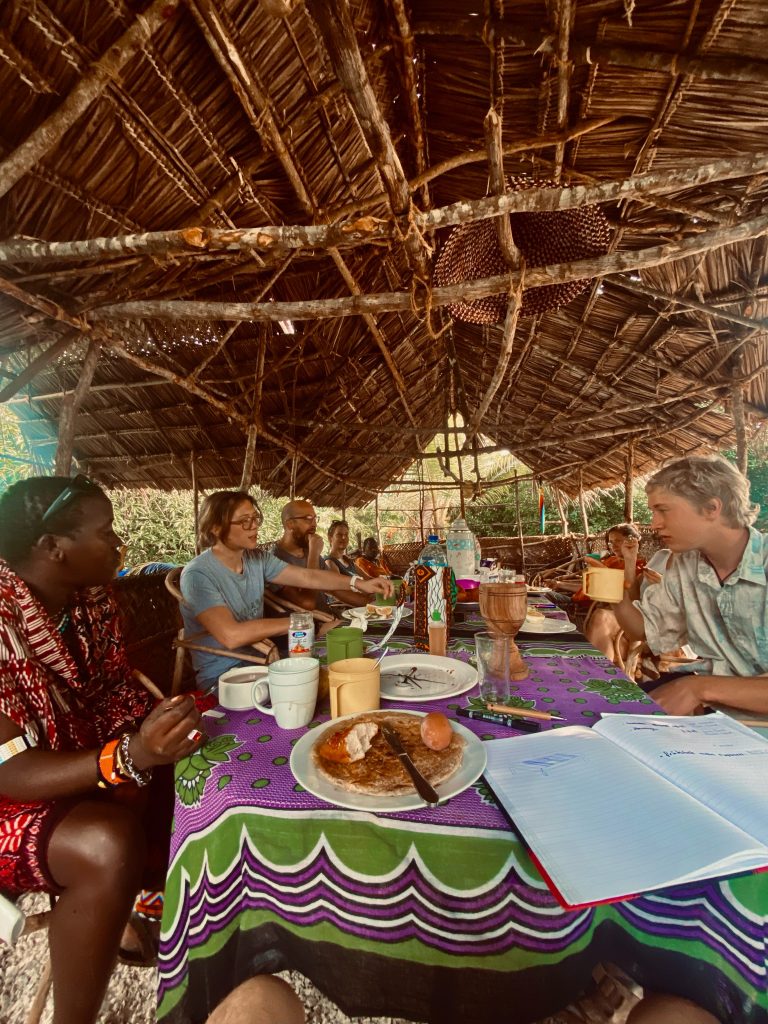
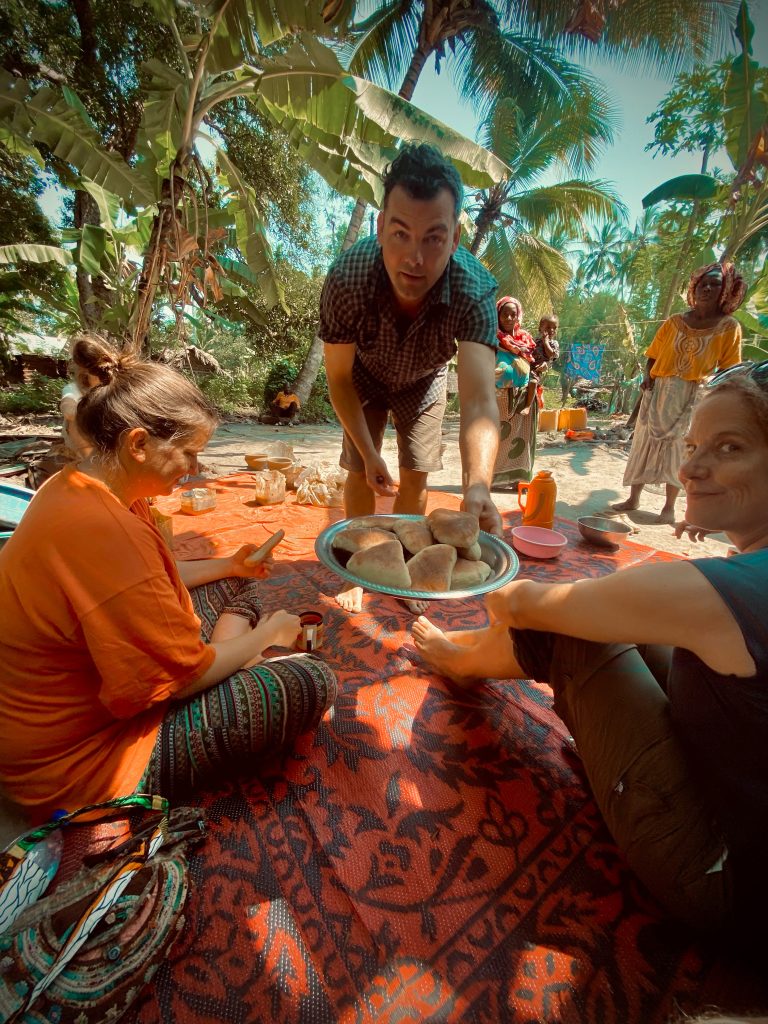
Zanzibar is a very multicultural place and has always been influenced by people from around the world. The people of the Eastern African coastlands developed an Afro Oriental maritime civilization – the Swahili culture, which became increasingly dominated by descendants of those who came from across the Indian Ocean.
Modern archaeological surveys have discovered more than 400 sites along this line of coastal settlement that were occupied before the Portuguese arrived in 1498. Many of the sites were small village communities. Several, however were highly urbanized with hundreds of stone houses and populations greater than 10.000. These were the commercial centers where the ocean going dhows from the Indian Ocean made their calls. This coastal aggregation was called the Swahili corridor. According to British historian Mark Horton “the Swahili ports and settlements extended 3.000 kilometers along the East African coast line.”
By the end of the 1800s numerous migrations and intensive and extensive cultural contacts had enable the Swahili culture to be firmly based on mercantilism and feudalism. Thus it is a fact that Zanzibar Stone Town was a complex metropolis that included visitors and immigrants of many religions, ethnicities and nationalities.
There is a strong believe among the local inhabitants that the Persians were the first visitors to the islands. There were also Arabs (Omanis, Yemenis, Somalians, Egyptians and Syrians) Asians, Persians, Turks, Indians, Indonesians, Chinese and Sri Lankans: Especially the Arabs had a great impact and brought with them their religion, cultures, art of dressing and building. The Swahili ways of life are still broadly defined by a mixture of Arab & African influences. And Kiswahili – a language of Bantu origin – is heavily loaded with Arabic and other oriental words. Indonesians came between 100 BC and 100 AD.. They are believed to have introduced the coconut to the East African Coast.

Indian immigrants from Cutch, Surat and from the Bay of Bengal (many of the Hindus) joined other Asians to sail to the East African Coast to look for emerging markets and retail business. Zanzibar – especially after 1821 – had many Indians of different sects (Khojas, Hindus, Bohras, Goans and other minorities. Bantu speaking people came to the islands as slaves and immigrant workers and brought with them rituals of witchcraft and cultural practices like snake dancing. The Nymwezi, Zigua, Manyema and Makonde are some of them; they originated in the hinterland of East and Central Africa.
Immigrants from the neighbouring islands in the Indian Ocean, especially Commoros and Madagascar (Bukini) also highly contributed to influence the indigenous cultures, superstitious beliefs and myths. For example the „Kibuki Ghost Dance“ was either imported by Commorians or people from Bukkini to islands of Zanzibar. Religiously Zanzibar was predominantly Muslim, belonging to different sects, Ibadhi, Shia, Ahmadiya and Sunni, which was the dominant sect. There were other religious minorities who practiced their worship such as Christianity, Hinduism, Confucianism and Buddhism.
Life and Death were close together in those days. Almost all areas of Stone Town had tombs and cemeteries surrounded by large trees. According to the 1921 town survey, Stone Town had more than 64 cemeteries built to the backyards of many residential buildings. Tombs of different designs were scattered outside mosques and even besides the Sultan’s Palace. These buildings are so compact and it is easy to imagine how close they were between the dead and the living.
CONTACT AND BANK ACCOUNT DETAILS
Daniel Netto
Telephone: +4915207177489
E-mail: mail@garden-of-komba.com
DKB Deutsche Kreditbank AG
Mr. Daniel Netto
IBAN: DE73 1203 0000 1064 4295 80
BIC: BYLADEM1001